From "Coffee Tastes Like Coffee" to Building a Mobile Café in a Samurai
Three years ago, Vanessa couldn't tell coffees apart. Now we own a Linea Mini R and are building a mobile café in a Suzuki Samurai. This is how it happened.
Three years ago, Vanessa said coffee tastes like coffee.
Not as a criticism. As a statement of fact. Same dark liquid, same bitter finish, nothing to distinguish the office machine from anywhere else. She didn't care, and didn't think she should.
That was wrong. And now we're building a business on the other side of that mistake.
The Feeling Came Before the Plan
Markus was working in Croatia. Vanessa went along, and something happened to the evenings.
Not the work. The pace. The way a coffee could turn into two hours without anyone trying. People sitting at metal tables outside, no laptops, no agenda, just the conversation and the light going golden over the water.
There's a Croatian word, lagano, that roughly translates to: without force, without hurry. It doesn't map cleanly to English because English doesn't really have that concept. But sitting in Dalmatia with an espresso that hadn't cost anything except time, we started to understand it.
Coffee in Croatia isn't a task. It isn't fuel or a ritual or a productivity habit. It's a reason to stay.
At some point during those months the thought arrived: we want to bring this to other people. Not the coffee specifically. The feeling around it. That thought didn't come with a business plan attached. It was just a feeling we couldn't shake.
Why a Car? Why a Samurai?
The problem we're solving isn't "no coffee nearby."
It's "no good coffee where you actually want to be." On a beach that takes 40 minutes of rough road to reach. At the top of a climb that deserves better than a gas station vending machine. At a turnout with a view that shouldn't have bad coffee but always does.
That's the gap. And a café on a corner doesn't close it.
Markus found the concept in Thailand. Someone had already built a mobile café in a classic 4x4. He brought the idea back. We took it further.
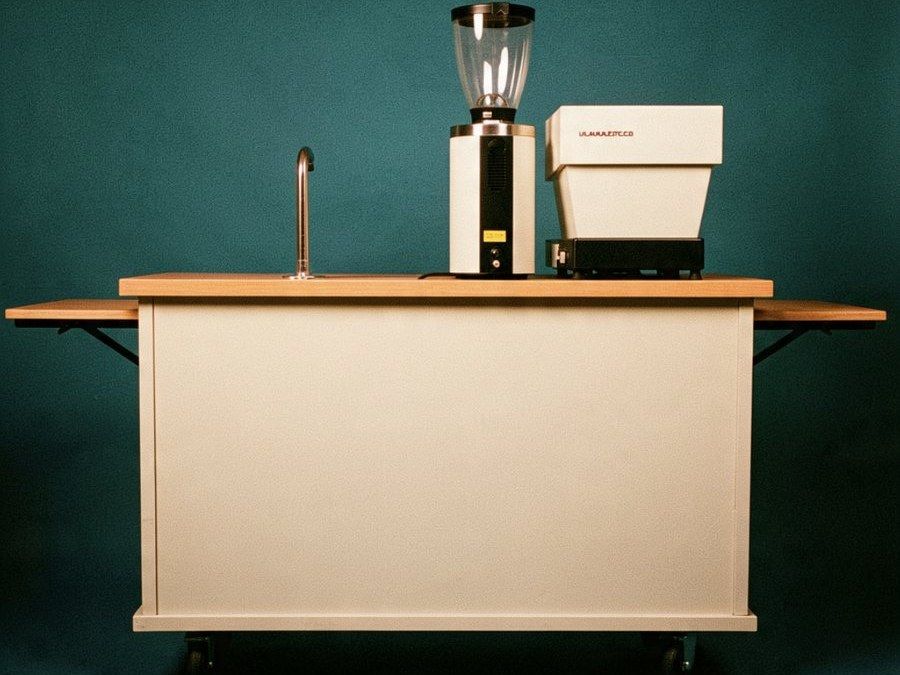
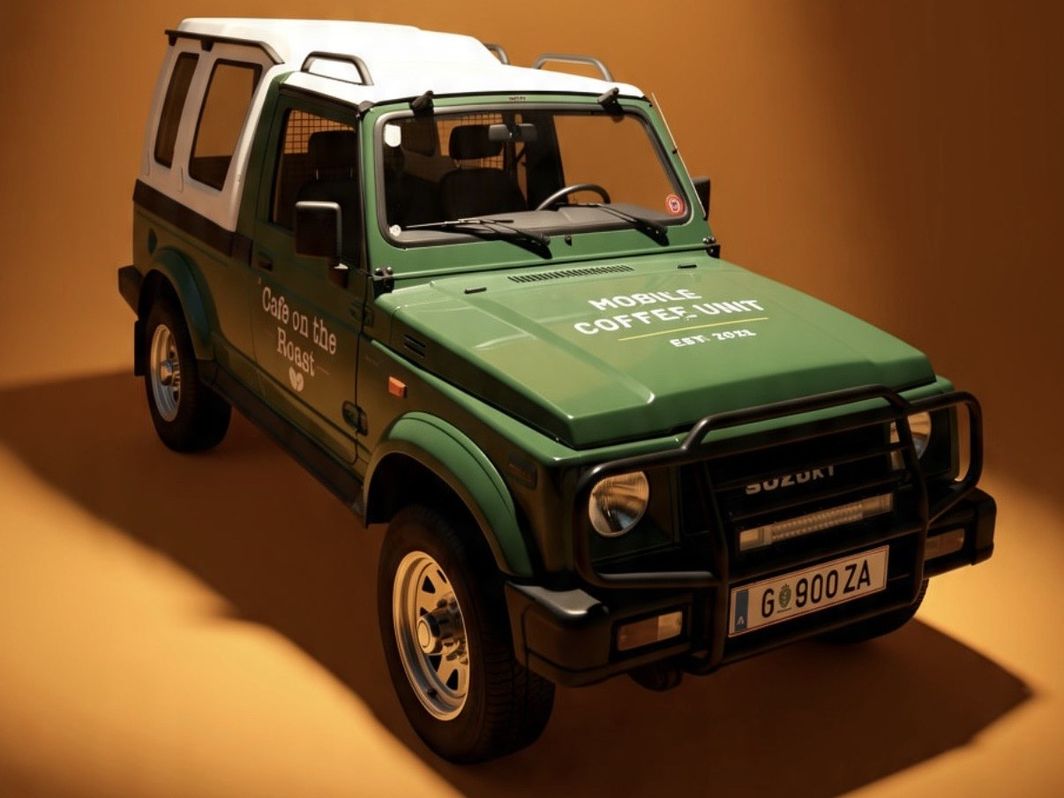
The vehicle: a Suzuki Samurai. Small, capable, distinctive, with enough room for one serious machine if you think carefully about the build. The machine: a La Marzocco Linea Mini R. The person who once couldn't tell coffees apart now pulls shots every morning on one of the most serious home espresso setups on the market.
We Started from Zero. We Documented It.
No café experience. No espresso knowledge. No car.
The first five shots were embarrassing. Genuinely bad: sour, thin, wrong. We knew they were wrong before we'd learned enough to know why. That gap, between sensing something is off and being able to fix it, is where the real learning lives.
We also made a decision early on: document everything from step zero. Not when there's something worth showing. Before that.
Because the beginning is the honest part. If we're going to ask people to follow this journey, we're not going to start when things look polished.
What Changed in Three Years
The bad shots got better. Then good. Then dialed.
A strong preference for fruity, lighter-roasted beans emerged, not where most people start, and not where we expected to land. But we got there by drinking things we didn't like until we understood why, then chasing back toward what we actually wanted.
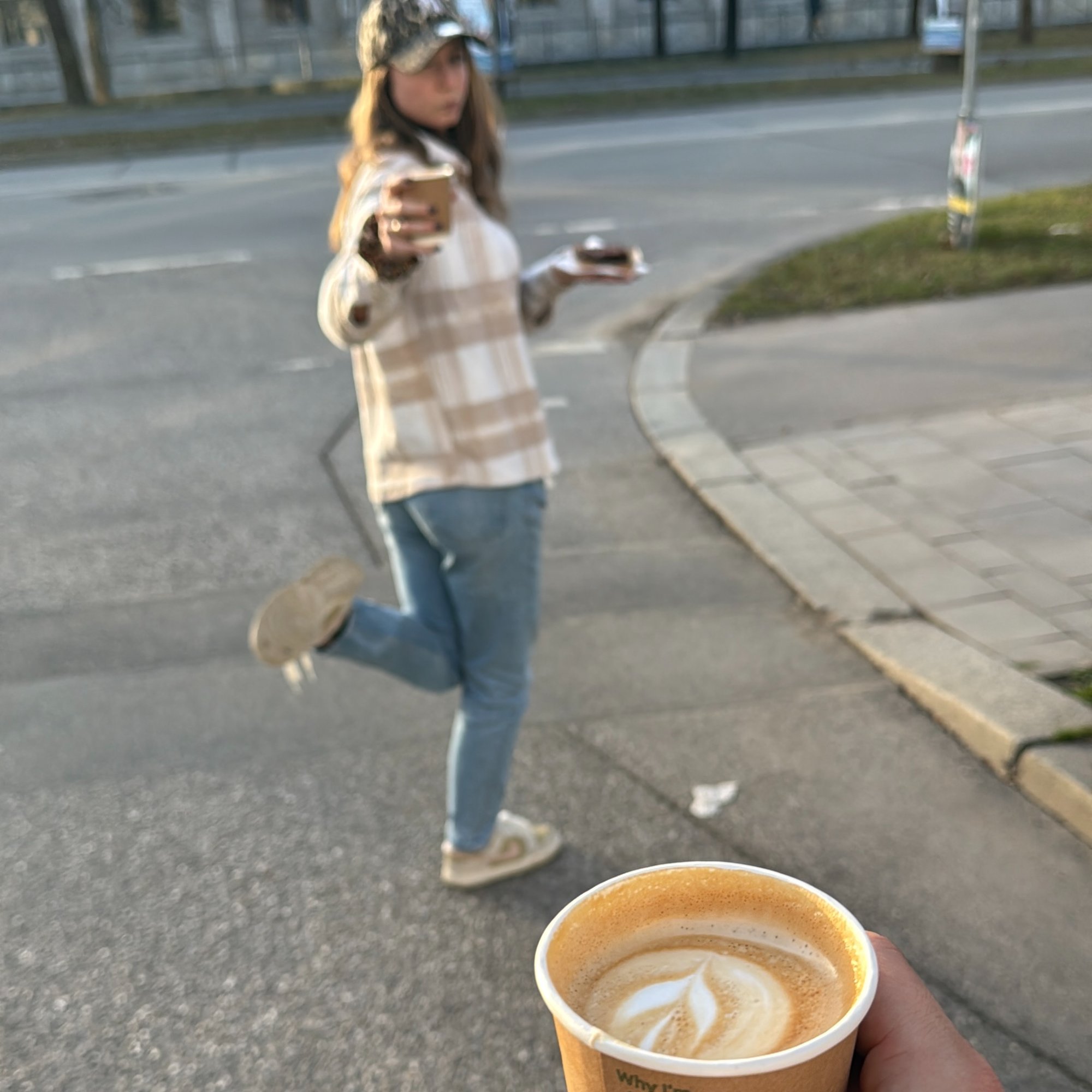
We tested cafés in every city we traveled through. Still do. Not as tourists. As people trying to understand what works, what doesn't, and why some places serve an espresso that makes you want to stay and some don't.
We made a downpayment on the Samurai. We don't have a delivery date. We don't know exactly what the finished build will look like. But the process has started, and it's not reversible in the good way. We're committed.
The Roles Happen to Make Sense
This is a shared project, and the split happened naturally, which is the best way for these things to happen.
Markus is the car person. He understands vehicles, has the mechanical instincts, and was the one who found the Samurai café model in Thailand, which tells you something about how he moves through the world.
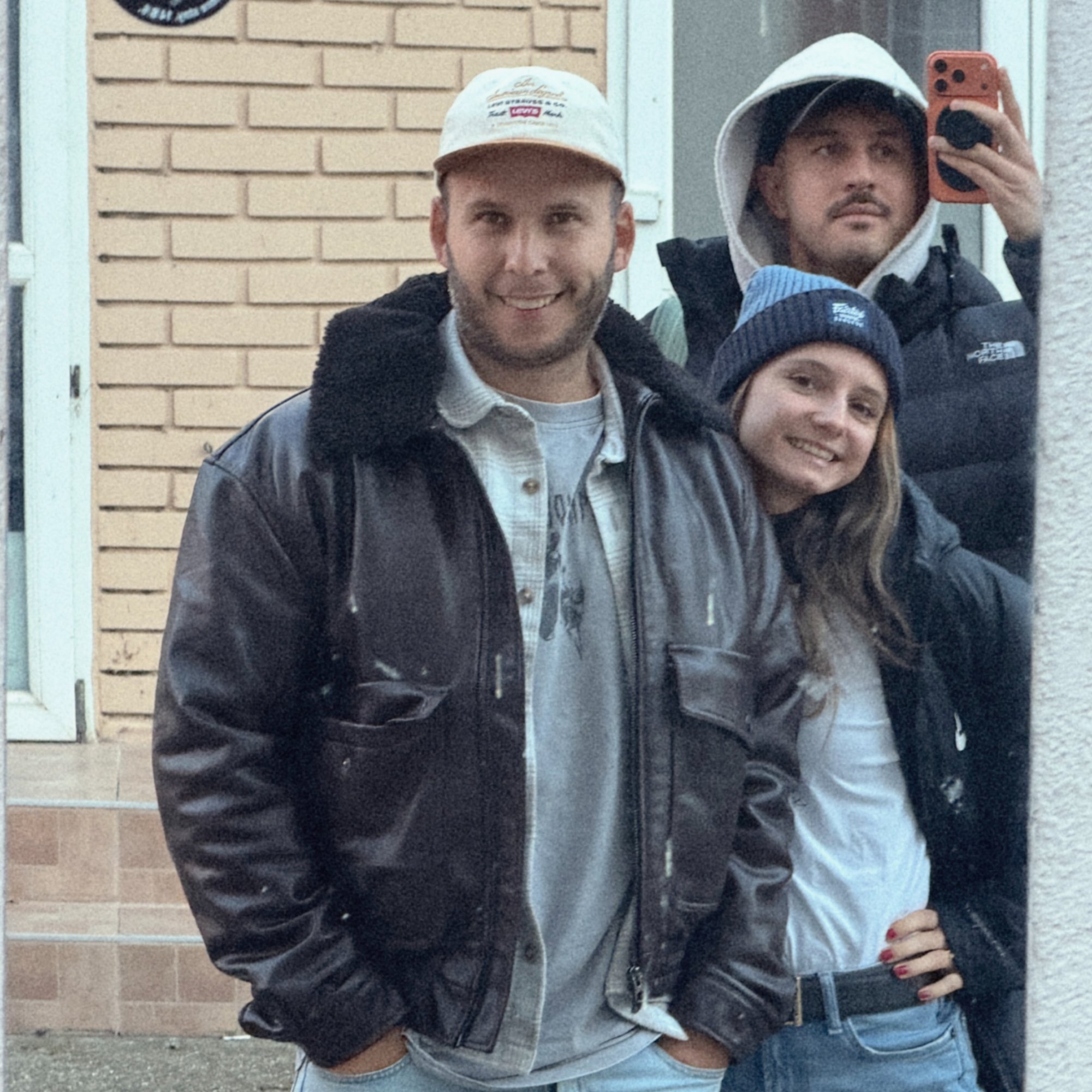
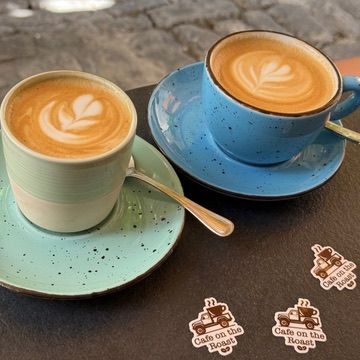
Vanessa is the coffee person and the creative lead. She went from "all coffee tastes the same" to spending free time practicing latte art and getting deep into single-origin sourcing. The fact that she started with zero knowledge is part of the story, not something to edit out.
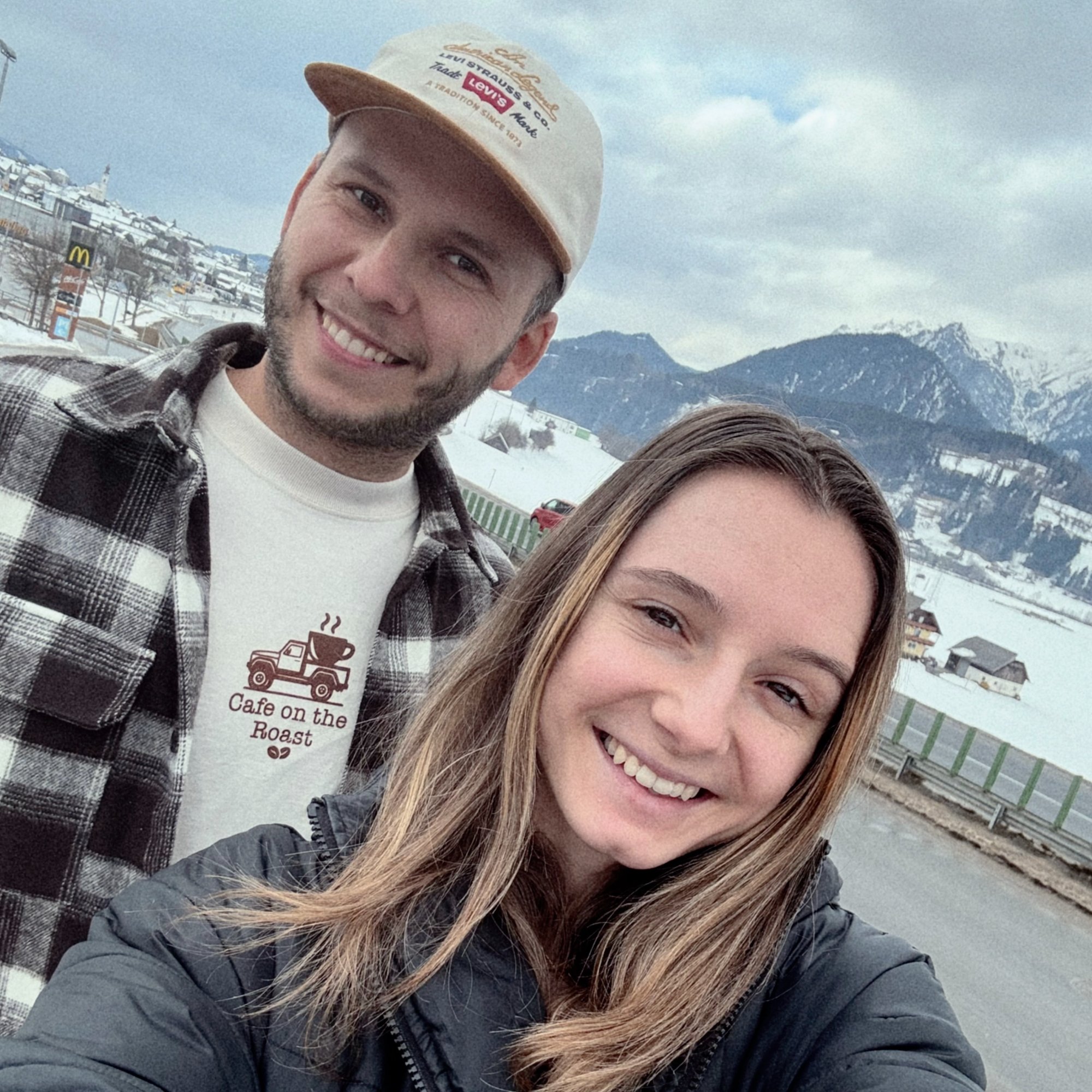
We met through kickboxing and still train together. This project is just the latest shared thing. Different medium, same dynamic.
What Most People Get Wrong About Building in Public
The common assumption is that you start documenting once you have something worth documenting. The product is built. The launch is imminent. The story is ready to be told.
What we found is the opposite: the most interesting part of any build is the beginning, when nothing is certain and everything is still being figured out. Showing up before you're ready is not a liability, it's the honest version of the story, and it's the part most people never see.
We didn't start @cafeontheroast because we had something to show. We started it because we didn't want to miss documenting the part where we didn't know what we were doing. That turns out to be the whole first chapter.
The Practical Takeaway
If you're building something: the messy beginning is not a phase to get through before the real story starts.
It is the story. And the people who follow you through it will be there when the car pulls up to the beach and the machine is running.
Don't wait.